
iRay
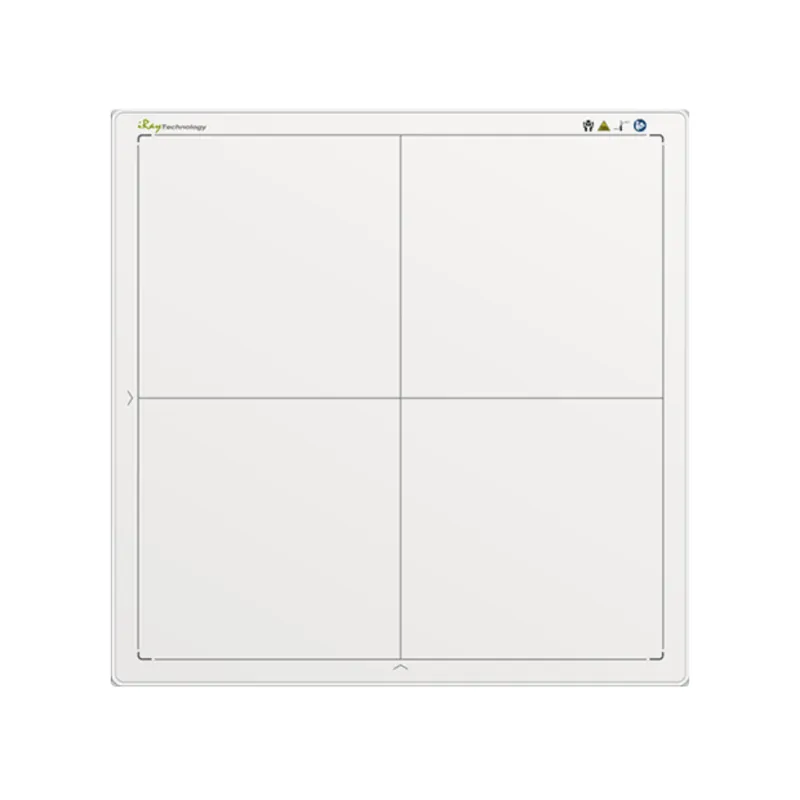
Mars 1717V Kablosuz Flat Panel Dedektör
43x43cm kablosuz flat panel dedektör. i-Sync 2 tetikleme, çift bant WiFi, 4.6 kg karbon fiber gövde ve 4+ saat pil ömrü.
iRay
43x43cm kablosuz flat panel dedektör. i-Sync 2 tetikleme, çift bant WiFi, 4.6 kg karbon fiber gövde ve 4+ saat pil ömrü.
iRay
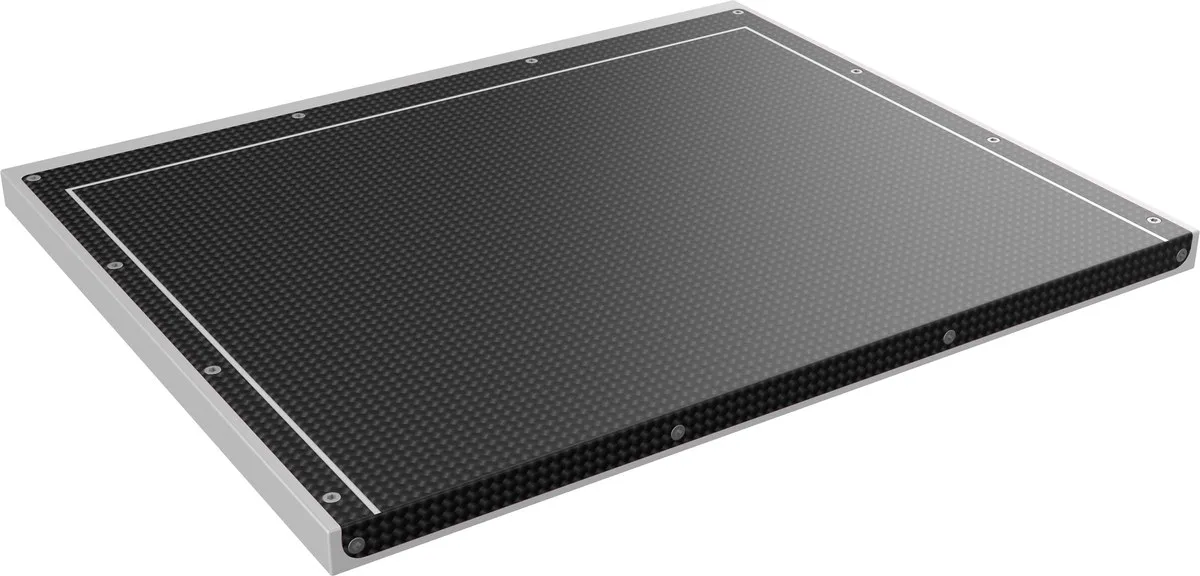
ISO 4090 kaset ölçüsünde mamografi FPD. Analog mamografiyi sökmeden dijitale çevirir. 85 µm piksel, GigE, AED, 1,3 kg.
iRay
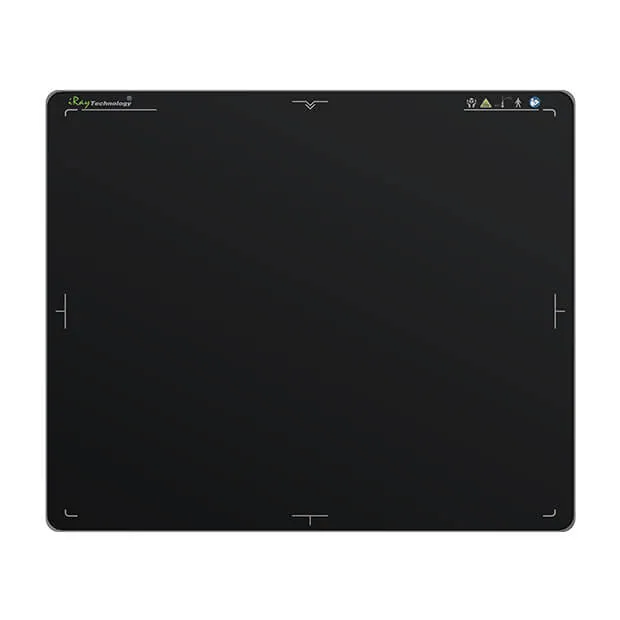
14x17 inç esnek gövdeli kablosuz FPD. 100 µm piksel, IP56 koruma, 8+ saat pil, gerçek zamanlı düşme algılama.
iRay
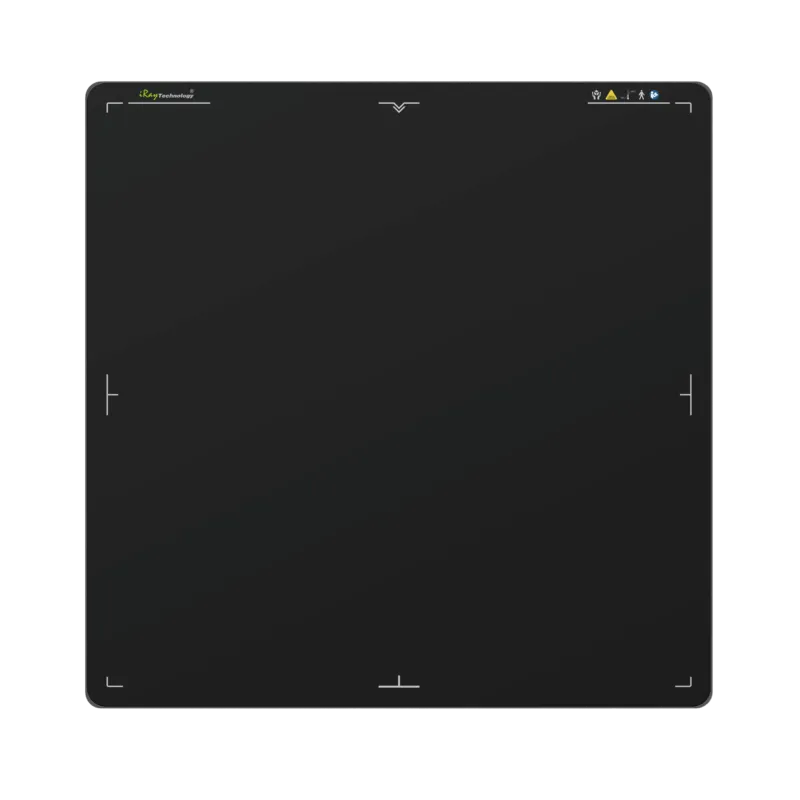
17x17 inç esnek gövdeli kablosuz FPD. 100 µm piksel, IP56 koruma, 8+ saat pil, tam AED kontrolü ile her an pozlama.
iRay
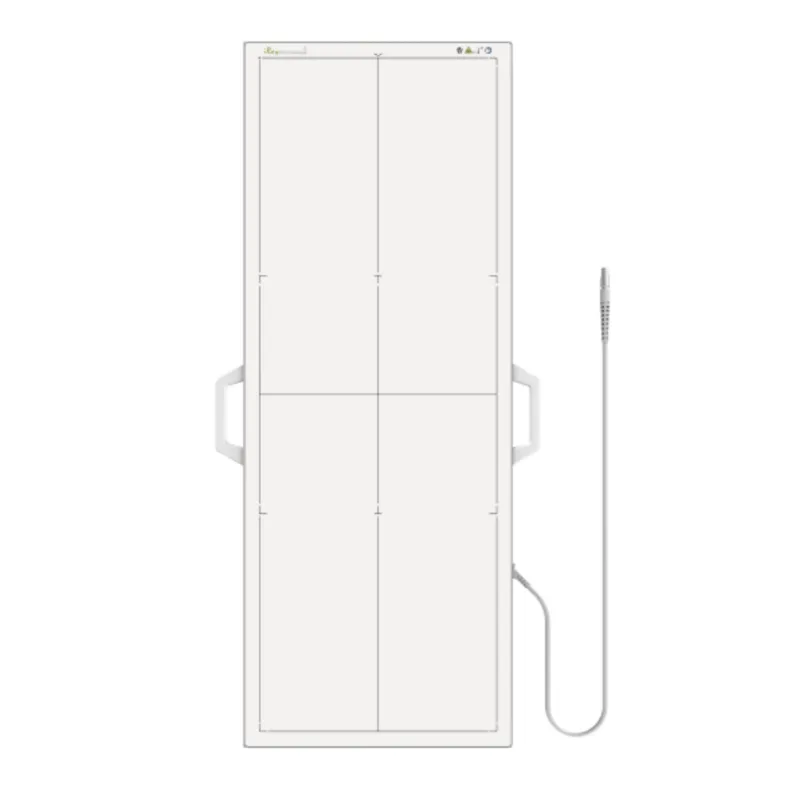
17x48 inç uzun format FPD. Tek pozlamada tam omurga görüntüleme, 139 µm piksel, iSync+ AED, çıkarılabilir tutamak.
iRay
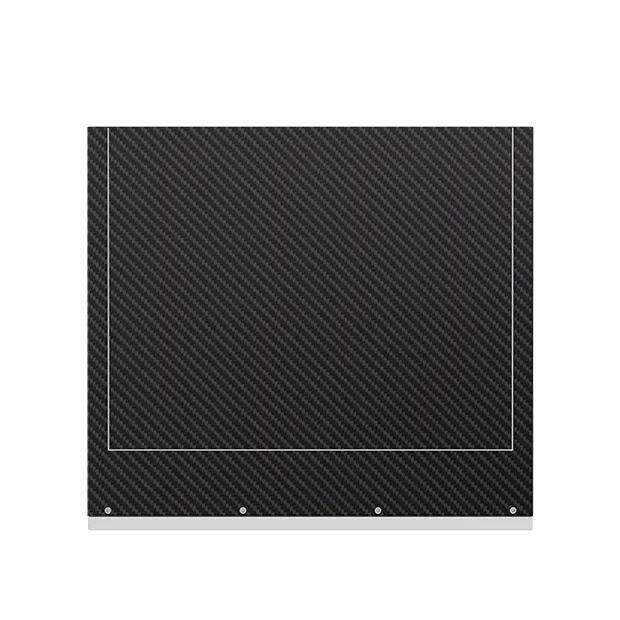
10x12 inç mamografi FPD. 85 µm piksel, 16-bit, analog mamografiyi dijitale çevirir, düşük dozda güvenilir görüntü.
iRay
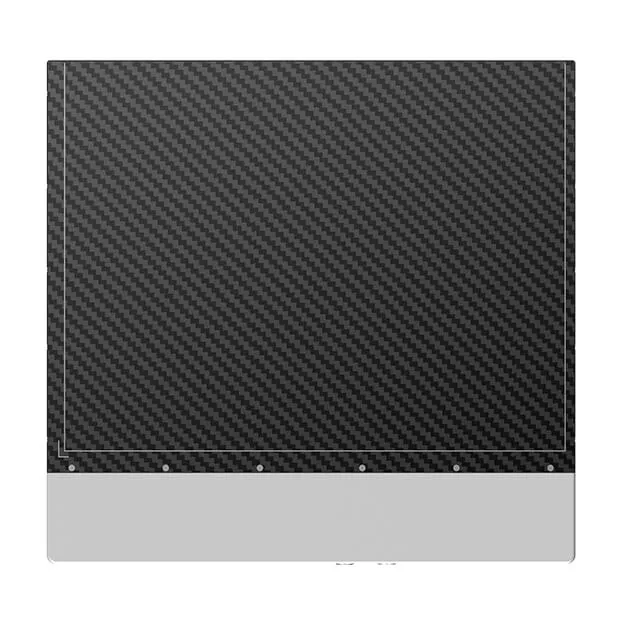
CMOS sensörlü yeni nesil mamografi FPD. 49,5 µm piksel, FFDM ve DBT (tomosentez) uyumlu, 10G Ethernet, sadece 2 kg.
iRay
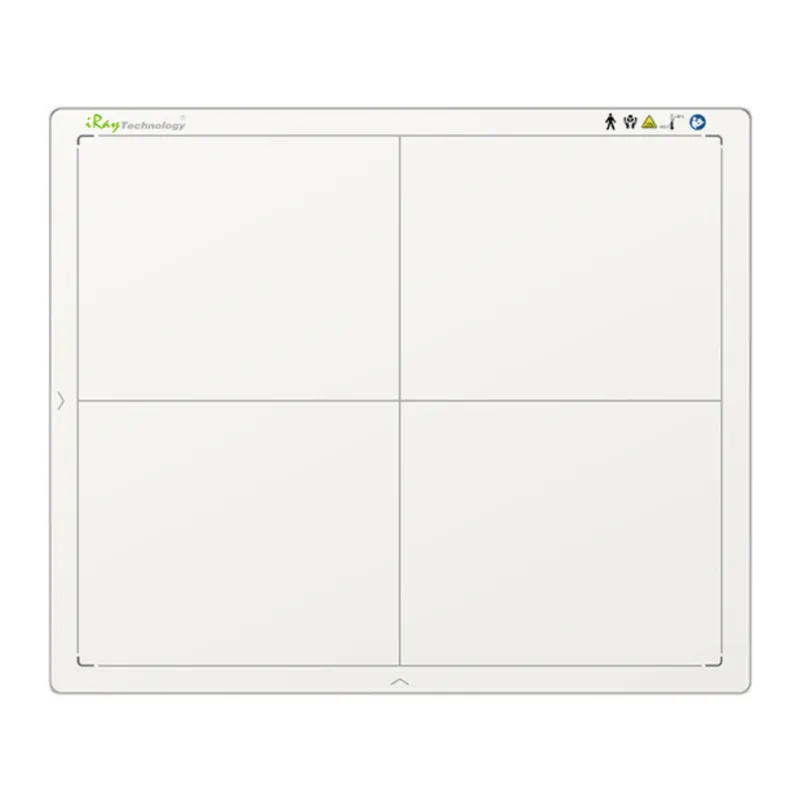
35x43cm kaset boyutu kablosuz FPD. i-Sync 2 tetikleme, çift bant WiFi, gerçek zamanlı düşme algılama, 4+ saat pil.
iRay
17x17 inç kablosuz kaset dedektör, 100 µm piksel, 18 megapiksel çözünürlük, IP56 koruma, 8+ saat pil ömrü.
A flat panel detector is the fastest route from an analogue or CR based X-ray room to a fully digital one. Your existing generator and table stay in place; only the imaging chain changes. Choosing the right panel depends less on any single specification than on the work the panel has to do.
Dentem is the official Türkiye distributor for iRay flat panel detectors. Installation, generator synchronisation, calibration and on-site repair are handled by our own technical team. If you are unsure which panel matches your imaging profile, call us with your current system details.
Usually yes. The generator, tube and table stay; only the imaging chain changes. Two things decide it: whether the panel can detect the exposure itself (AED) or a trigger cable can be run from the generator, and whether your generator kV/mA range sits inside the panel working range. A site survey settles both. Send us the make and model of the device.
Yes. Panels run on gain, offset and defect map calibrations, and those maps need refreshing over time. A panel is also recalibrated without waiting if it has taken an impact, sat unused for a long period, or started showing a fixed pattern in the image. We handle this under a maintenance contract.
The panel produces the image; DICOM output comes from the acquisition software that ships with it. DICOM Store and Modality Worklist are configured against your PACS server AE Title, IP and port. We need to know which PACS software you run before installation, because the worklist side sometimes needs a change on the server as well.
Sites on a maintenance contract get a loaner panel, so imaging continues while the fault is dealt with. Without a contract, response is scheduled through the 24/7 service line. For a single-panel site where downtime is expensive, keeping a second panel usually costs less than waiting out a repair.