
GSI
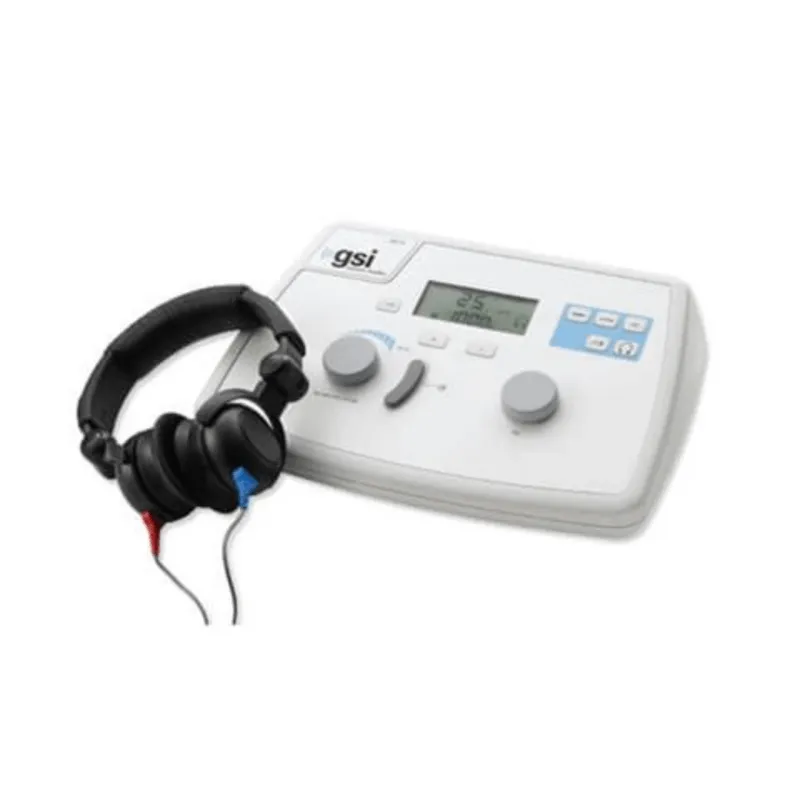
Odyometre Cihazı GRASON-STADLER GSI 18
1.1 kg taşınabilir tarama odyometresi. 11 frekans, Hughson Westlake otomatik test, mobil OSGB değerlendirmeleri için ideal.
GSI
1.1 kg taşınabilir tarama odyometresi. 11 frekans, Hughson Westlake otomatik test, mobil OSGB değerlendirmeleri için ideal.
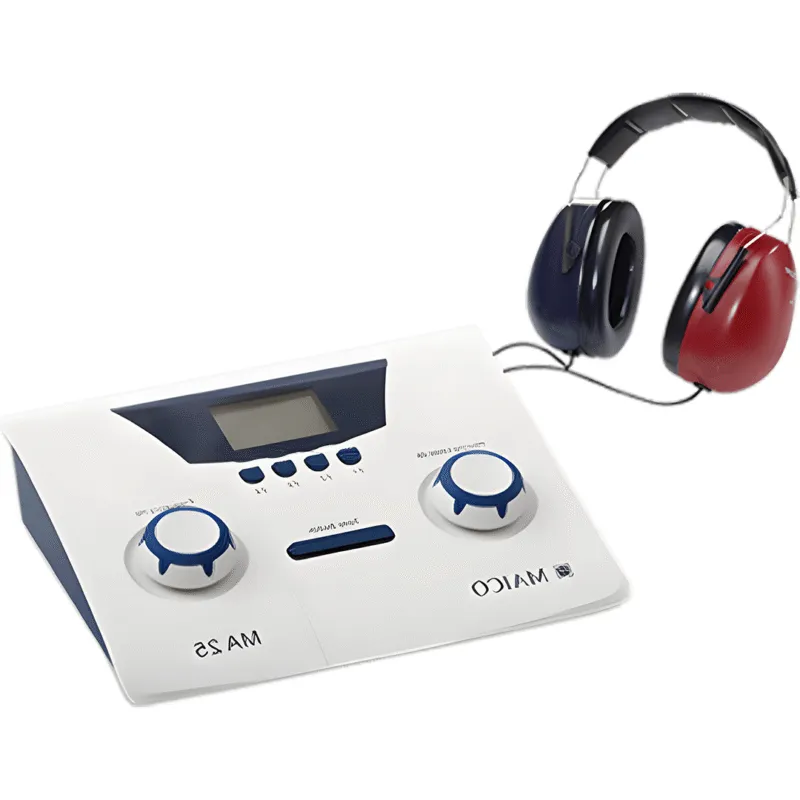
Maico
980 gram taşınabilir hava iletimi tarama odyometresi, 125 Hz-8000 Hz aralığında 11 frekans. OSGB ve işitme merkezleri için idealdir.
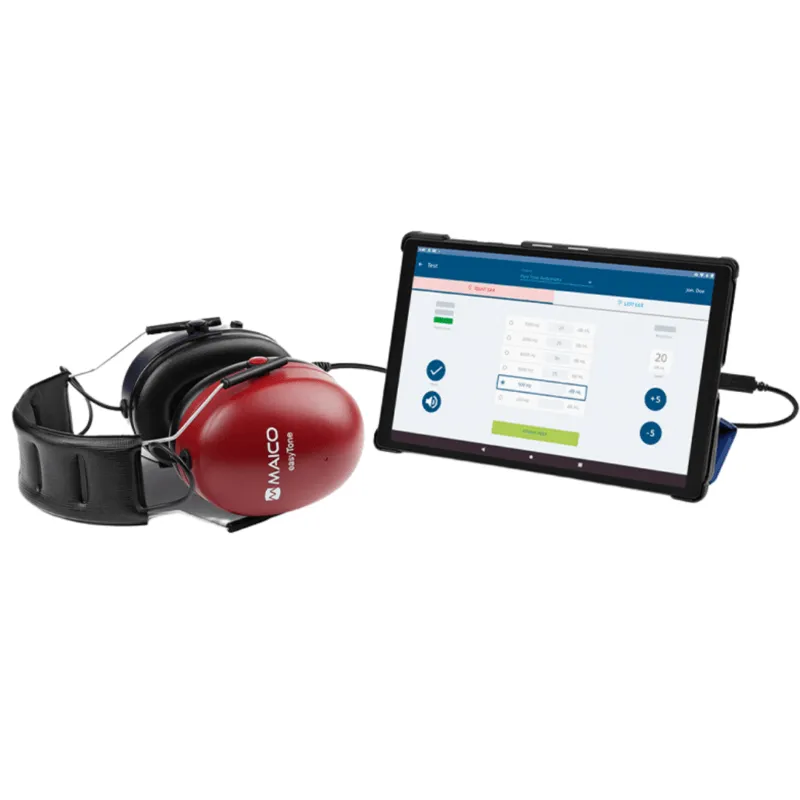
Maico
Tablet tabanlı Maico easyTone tarama odyometresi. 125 Hz-8000 Hz hava iletimi, net geçti/kaldı sonucu, yönlendirmeli arayüz.
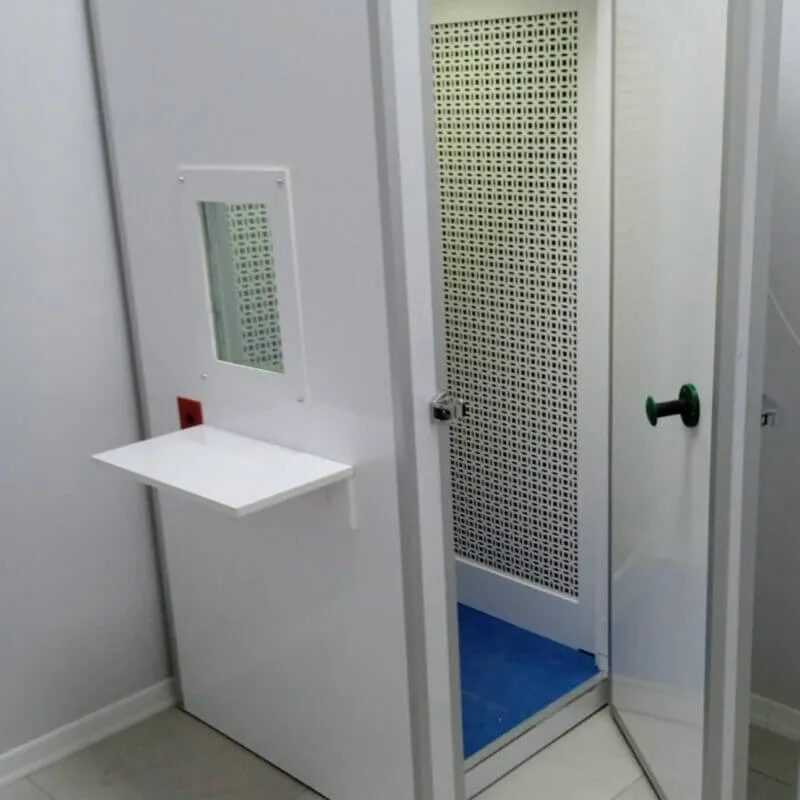
Cleartone
UTS kayıtlı, ISO 8253-1 uyumlu odyometri kabini. Sessiz, havalandırmalı, akustik pencereli, min. 4 m², yerli üretim.
Choosing an audiometer depends on where it will be used and why. Occupational health screening and clinical diagnostic testing have different requirements, and a portable screening audiometer is not designed for the same job as a clinical unit.
Dentem supplies GSI Grason-Stadler and Maico audiometers along with audiometric booths, with installation, periodic calibration and repair handled by our own team. Tell us how many people you screen and where the testing happens, and we will size the configuration with you.
Established practice is a full calibration once a year. Three situations do not wait for that date: the device or headset has taken an impact, the headset has been changed, or results have shifted in a way nobody can explain. What an inspection asks for is a current calibration certificate, so tracking the date matters as much as running the device.
A screening audiometer measures air conduction pure tone thresholds at set frequencies, which is enough for workplace screening. A clinical audiometer adds bone conduction, masking and speech audiometry, so it can separate where and what kind of hearing loss is present. For occupational screening the screening device is the right choice; for diagnosis you need the clinical one.
In practice, yes. ISO 8253-1 sets the maximum permissible ambient noise for each test frequency, and an ordinary room sits above those figures. Without a booth a person tests worse than they hear, which is both clinically misleading and open to challenge at inspection.
Yes, and this is the step most often skipped. Calibration is done for the device and that specific pair of transducers together; a headset is not a standard interchangeable part. Results taken after fitting a spare headset, or after a headset returns from repair, are not valid until calibration is redone.